Missions & payloads
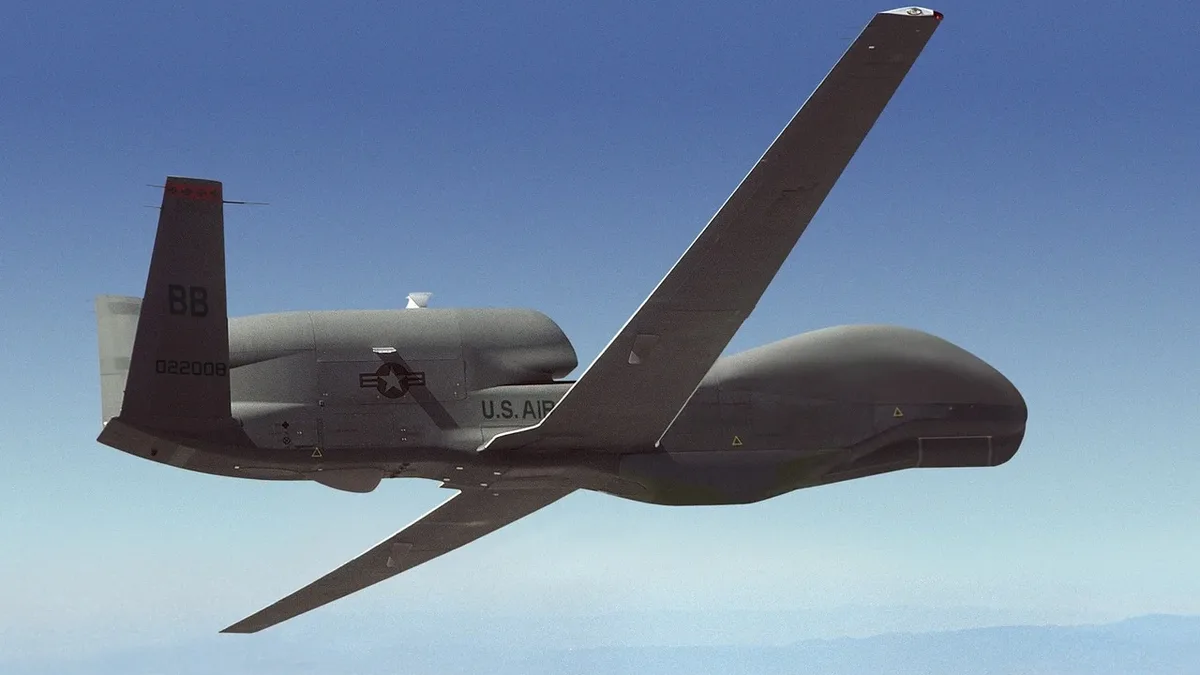
Ukraine reports Starlink speed limits disrupt drone operations
Ukrainian military units say unexplained Starlink speed limits on moving terminals have disrupted drone control and forced mission cancellations.
Ukrainian military units say unexplained Starlink speed limits on moving terminals have disrupted drone control and forced mission cancellations.
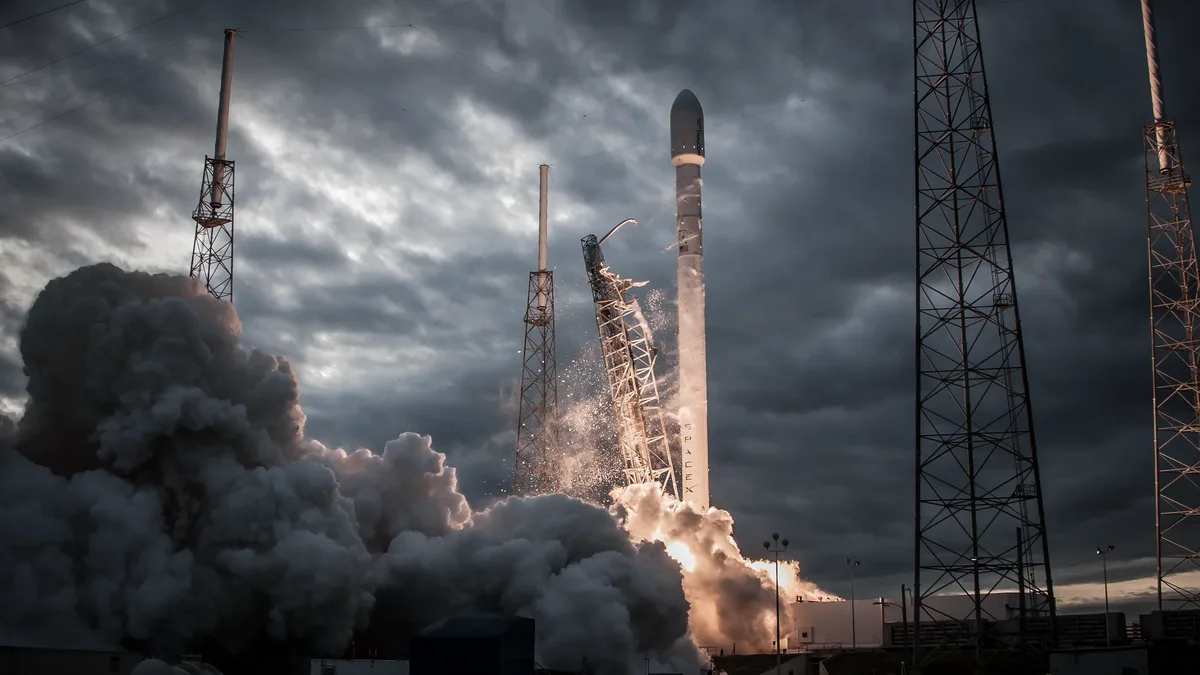
Arianespace is preparing an Ariane 64 rocket to launch 36 Amazon Leo satellites from French Guiana no earlier than November 23, 2026, in a mission that advances the launcher's operational cadence.

The IRIDE Eaglet II constellation delivers its first Earth images including Gibraltar, while Norway allocates funding for a second launch pad at Andøya Spaceport.
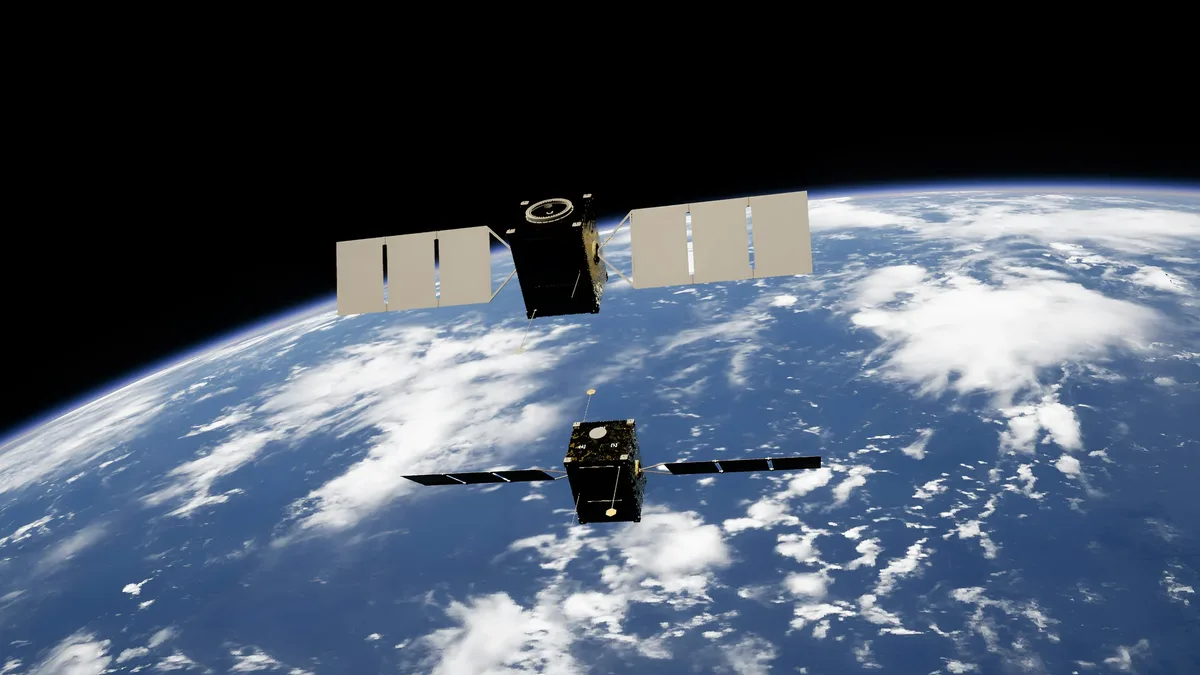
The Sentinel-3C satellite has returned its first images and measurements from two key instruments just two weeks after its September 2026 launch, providing early confirmation of its performance ahead of a five-month commissioning phase.

NASA and the Department of Energy formalized a partnership to accelerate space nuclear systems, targeting a 2028 launch for a fission-powered spacecraft and a lunar reactor by 2030.
European nations are developing defensive satellite capabilities to counteract threats without creating debris, following US confirmation of orbital weapons. Programs like BODYGUARD and UK initiatives focus on non-destructive effects, as ESA reaffirms its no-weapons stance.
Fortastra secured $30 million in Series A funding to scale production of its maneuverable orbital-defense spacecraft, responding to growing U.S. military demand for space-based security systems.
The FCC has granted SpaceX approval to deploy a 15,000-satellite Very Low Earth Orbit constellation for direct-to-device mobile services, enabling global smartphone connectivity.
HawkEye 360 successfully tested its commercial RF-sensing satellites to detect signals from spacecraft in LEO, MEO, and GEO under a $1.2 million AFRL Phase II SBIR contract awarded in 2024.
NASA and SpaceX are targeting no earlier than 1:05 a.m. EDT on Oct. 7, 2026, for the Crew-12 mission's undocking from the ISS, with splashdown planned for Oct. 8 off the California coast.
Omnidea has completed its acquisition of Orbex's UK assets and intellectual property.
Foundational, a London-based startup, has secured £8.2 million in pre-seed funding to commercialize automated satellite laser ranging.
SpaceX launched 130 payloads on its Transporter-18 Falcon 9 rideshare mission from Vandenberg Space Force Base on October 1.
Satlyt raised $8 million in seed funding to expand its virtual orbital data center network, using AI software on third-party satellites to process data in orbit.
Charter Space secured $5 million in seed funding to accelerate its AI-driven space insurance brokerage, CIRC.
EUMETSAT has completed the deployment of a full network of 56 PUMA-2025 reception stations across Africa, enabling real-time access to Meteosat Third Generation satellite data for forecasters, which improves early warning for extreme weather as the continent prepares for a strong El Niño.
Terran Orbital has named former Lockheed Martin executive Jamin Brown as its Chief Operating Officer, effective September 29, 2026.

Germany · 1990s

2000 (as Airbus Defence and Space) · Ottobrunn, Germany

Alexander Gerst · German

European space policy instrument · Assure independent access to space for...

Danish · 2015

Rocket engine · Liquid oxygen and kerosene

European Space Agency member states... · 2024

2015 · Les Mureaux, France
The launch: the vehicle, the payload and the window. Launch is the spine, Vehicles and Missions & payloads hold the hardware and the cargo, Industry & policy covers the European programmes and money, and Orbit & environment covers debris and the sky itself.
No. The site reports launches from named sources rather than broadcasting them, and a window can move by hours or months. The operator's own channel is where to watch a launch.
From operator and agency announcements, range notices and named publications, credited and dated in the piece. Because scheduling slips constantly, a date here is the date as announced when the piece was written.
Both are covered as far as the public record goes, and pieces stay with what named sources have published rather than inferring anything about classified cargo. Where a payload is undisclosed, the piece says that it is undisclosed rather than guessing.
Each piece is written with automated assistance from the source material and published without a byline, with the operator or publication credited in place of an author. Nobody here is presented as an engineer or as having been at a launch site.
Yes, at /feed.xml, carrying every piece as it publishes. Any reader will take it, and nothing needs signing up for.